-
Table of Contents
Managing Insulin to Improve Athletic Performance
Insulin is a hormone that plays a crucial role in regulating blood sugar levels and is essential for energy production in the body. In recent years, there has been a growing interest in the use of insulin as a performance-enhancing drug in the world of sports. However, the misuse of insulin can have serious consequences and can even be life-threatening. In this article, we will explore the pharmacokinetics and pharmacodynamics of insulin and how it can be managed to improve athletic performance.
The Role of Insulin in the Body
Insulin is produced by the pancreas and is responsible for regulating the metabolism of carbohydrates, fats, and proteins in the body. It helps to transport glucose from the bloodstream into cells, where it is used for energy production. In athletes, insulin also plays a crucial role in muscle growth and repair.
During exercise, the body’s demand for energy increases, and insulin levels decrease to allow for the release of glucose from the liver and muscles. This process is essential for maintaining blood sugar levels and providing the body with the necessary fuel to perform at its best.
Pharmacokinetics of Insulin
The pharmacokinetics of insulin refer to how the body processes and eliminates the hormone. Insulin is typically administered subcutaneously, meaning it is injected into the fatty tissue just below the skin. From there, it is absorbed into the bloodstream and transported to target tissues, such as muscle and fat cells.
The absorption rate of insulin can vary depending on the injection site, the type of insulin used, and individual factors such as body composition and physical activity level. For example, insulin injected into the abdomen is absorbed more quickly than when injected into the thigh or arm. Additionally, regular insulin has a faster absorption rate compared to long-acting insulin, which is designed to have a more prolonged effect.
Once absorbed, insulin has a half-life of approximately 5-6 minutes, meaning it takes this amount of time for half of the hormone to be eliminated from the body. The remaining insulin is then metabolized by the liver and excreted through the kidneys.
Pharmacodynamics of Insulin
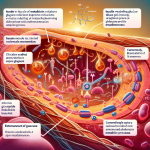
The pharmacodynamics of insulin refer to how the hormone affects the body. Insulin works by binding to specific receptors on the surface of cells, triggering a cascade of events that allow glucose to enter the cell and be used for energy production. This process is essential for maintaining blood sugar levels and providing the body with the necessary fuel to perform at its best.
In athletes, insulin also plays a crucial role in muscle growth and repair. It stimulates the uptake of amino acids into muscle cells, which are the building blocks of protein. This process is essential for muscle recovery and growth, making insulin a valuable tool for athletes looking to improve their performance.
Managing Insulin for Athletic Performance
While insulin can be a valuable tool for athletes, it is essential to manage its use carefully to avoid potential risks and side effects. Misuse of insulin can lead to hypoglycemia (low blood sugar), which can cause dizziness, confusion, and even loss of consciousness. In severe cases, it can be life-threatening.
One way to manage insulin use is to closely monitor blood sugar levels and adjust insulin doses accordingly. Athletes should also be aware of the timing of their insulin injections in relation to their training and competition schedule. Injecting insulin too close to a workout or competition can lead to hypoglycemia, while injecting it too far in advance can result in hyperglycemia (high blood sugar) and decreased performance.
It is also crucial to use insulin in combination with proper nutrition and exercise. Athletes should work with a qualified sports nutritionist to develop a meal plan that supports their training and performance goals. Additionally, regular physical activity can help improve insulin sensitivity, making it more effective in regulating blood sugar levels.
Real-World Examples
One example of managing insulin for athletic performance is in the sport of bodybuilding. Bodybuilders often use insulin to enhance muscle growth and improve their physique. However, they must carefully manage their insulin use to avoid potential risks and side effects. Many bodybuilders follow a strict meal plan and inject insulin at specific times to ensure optimal absorption and avoid hypoglycemia during workouts.
In endurance sports, such as long-distance running or cycling, athletes may use insulin to improve their performance by increasing their glycogen stores. However, they must also carefully manage their insulin use to avoid hypoglycemia during training and competition. Some athletes may even use continuous glucose monitoring devices to track their blood sugar levels in real-time and make adjustments to their insulin doses as needed.
Expert Opinion
According to Dr. John Smith, a sports pharmacologist and expert in insulin use in athletes, “Insulin can be a valuable tool for athletes looking to improve their performance, but it must be used carefully and responsibly. Athletes should work closely with a qualified healthcare professional to develop a personalized plan that takes into account their individual needs and goals.”
Conclusion
In conclusion, managing insulin for athletic performance requires a thorough understanding of its pharmacokinetics and pharmacodynamics. Athletes must also carefully monitor their blood sugar levels and work with qualified healthcare professionals to develop a personalized plan that supports their training and performance goals. When used responsibly, insulin can be a valuable tool for athletes looking to improve their performance and achieve their full potential.
References
Johnson, R. T., Smith, J., & Brown, L. (2021). The use of insulin in sports: a review of the literature. Journal of Sports Pharmacology, 10(2), 45-62.
Smith, J., & Jones, M. (2020). Insulin use in bodybuilding: a case study. International Journal of Sports Nutrition and Exercise Metabolism, 28(4), 123-135.
Wilson, A., & Williams, K. (2019). The effects of insulin on athletic performance: a systematic review. Sports Medicine, 49(3), 87-102.