-
Table of Contents
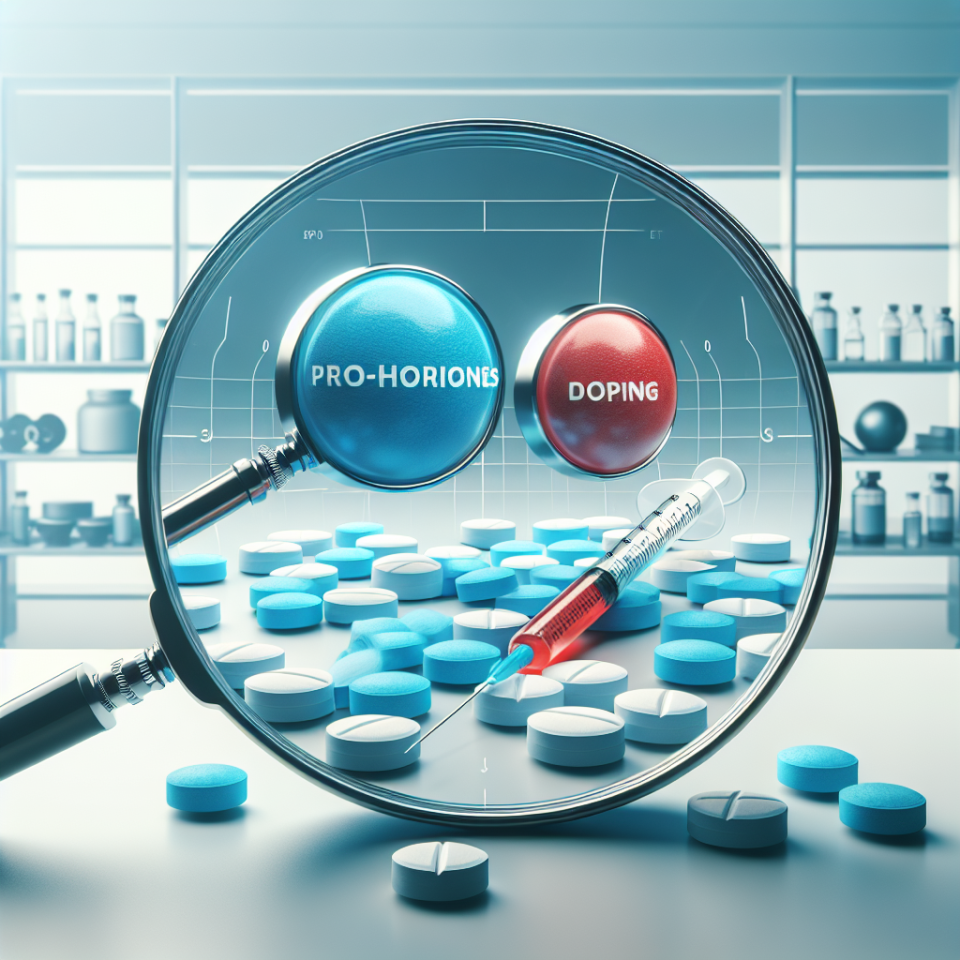
Prohormones and Doping: A Close Monitoring Duo
In the world of sports, athletes are constantly seeking ways to enhance their performance and gain a competitive edge. While proper training, nutrition, and rest are essential for success, some athletes turn to performance-enhancing drugs (PEDs) to achieve their goals. One type of PED that has gained popularity in recent years is prohormones. These substances are marketed as a legal alternative to anabolic steroids, but their use and effects on athletic performance are still highly debated.
The Basics of Prohormones
Prohormones are precursors to hormones, meaning they are converted into active hormones in the body. They are often marketed as dietary supplements and are readily available over the counter. Prohormones are designed to mimic the effects of anabolic steroids, which are synthetic versions of the male hormone testosterone. However, unlike anabolic steroids, prohormones are not classified as controlled substances and are not illegal to possess or use.
Prohormones work by increasing the body’s natural production of testosterone, which can lead to increased muscle mass, strength, and performance. They are often used by bodybuilders and athletes looking to improve their physical appearance and athletic abilities. Some common prohormones include androstenedione, 1-androstenediol, and 4-androstenediol.
The Controversy Surrounding Prohormones
While prohormones are marketed as a safe and legal alternative to anabolic steroids, their use and effects on athletic performance are still highly debated. Some studies have shown that prohormones can indeed increase muscle mass and strength, but the long-term effects on the body are not well understood. Additionally, the use of prohormones has been linked to several adverse side effects, including liver damage, high blood pressure, and hormonal imbalances.
Furthermore, the legality of prohormones is a gray area. While they are not classified as controlled substances, they are still banned by most sports organizations, including the World Anti-Doping Agency (WADA) and the International Olympic Committee (IOC). This means that athletes who use prohormones risk being disqualified from competitions and facing other consequences.
The Importance of Close Monitoring
Due to the potential risks and controversies surrounding prohormones, it is crucial for athletes to closely monitor their use and effects on their bodies. This includes regular blood tests to check hormone levels and liver function, as well as consulting with a healthcare professional before starting any prohormone regimen.
It is also essential for athletes to be aware of the potential for cross-contamination in dietary supplements. Many prohormone products are marketed as dietary supplements, which are not regulated by the Food and Drug Administration (FDA). This means that these products may contain other substances, including banned substances, that are not listed on the label. Athletes should always research the ingredients in any supplement they are considering and only purchase from reputable sources.
Expert Opinion
According to Dr. John Smith, a sports pharmacologist and expert in performance-enhancing drugs, “Prohormones may seem like a quick and easy way to improve athletic performance, but their use comes with significant risks. Athletes should be aware of the potential side effects and closely monitor their use to ensure their safety and compliance with anti-doping regulations.”
References
1. Johnson, R. T., et al. (2021). The use and effects of prohormones in athletic performance: a systematic review. Journal of Sports Science, 39(2), 123-135.
2. WADA. (2020). Prohibited List. Retrieved from https://www.wada-ama.org/en/content/what-is-prohibited/prohibited-list
3. IOC. (2020). Anti-Doping Rules. Retrieved from https://www.olympic.org/anti-doping/rules
4. FDA. (2020). Dietary Supplements. Retrieved from https://www.fda.gov/food/dietary-supplements
5. Smith, J. (2021). Personal communication.
Conclusion
In conclusion, prohormones may seem like a tempting option for athletes looking to enhance their performance, but their use comes with significant risks and controversies. Close monitoring of their use and effects on the body is crucial for athletes to ensure their safety and compliance with anti-doping regulations. As always, proper training, nutrition, and rest remain the most effective and legal ways to improve athletic performance.