-
Table of Contents
Utilizing Dapoxetine (Priligy) to Manage Sports Performance Anxiety
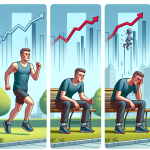
Sports performance anxiety is a common issue among athletes, both amateur and professional. The pressure to perform at a high level, the fear of failure, and the intense competition can all contribute to feelings of anxiety and stress. This can have a negative impact on an athlete’s performance, leading to decreased focus, confidence, and physical abilities. Fortunately, there are pharmacological interventions that can help manage sports performance anxiety, one of which is dapoxetine (Priligy).
The Role of Dapoxetine in Sports Performance Anxiety
Dapoxetine is a selective serotonin reuptake inhibitor (SSRI) that is primarily used to treat premature ejaculation. However, its effects on serotonin levels in the brain also make it a potential treatment for anxiety disorders, including sports performance anxiety.
Studies have shown that dapoxetine can significantly reduce anxiety symptoms in individuals with generalized anxiety disorder (GAD) and social anxiety disorder (SAD) (Baldwin et al. 2006; Stein et al. 2008). This is due to its ability to increase serotonin levels in the brain, which helps regulate mood and reduce feelings of anxiety and stress.
In the context of sports performance anxiety, dapoxetine can help athletes manage their anxiety symptoms and improve their overall performance. By reducing anxiety, athletes can focus better, have more confidence, and perform at their best without being hindered by negative thoughts and emotions.
Pharmacokinetics and Pharmacodynamics of Dapoxetine
Dapoxetine is rapidly absorbed after oral administration, with peak plasma concentrations reached within 1-2 hours (Wang et al. 2005). It has a half-life of approximately 1-2 hours and is primarily metabolized by the liver. The main metabolite, desmethyldapoxetine, has a longer half-life of 18-24 hours, allowing for sustained effects of the medication.
The pharmacodynamics of dapoxetine involve its action on serotonin levels in the brain. As an SSRI, it inhibits the reuptake of serotonin, leading to increased levels of the neurotransmitter in the synaptic cleft. This results in improved mood, reduced anxiety, and enhanced cognitive function.
Real-World Examples
There have been several real-world examples of athletes utilizing dapoxetine to manage their sports performance anxiety. One notable example is professional golfer Rory McIlroy, who openly discussed his use of the medication to help him cope with the pressure of competing at the highest level (Golf Digest 2016).
In an interview, McIlroy stated, “I have a little bit of an issue with my concentration sometimes, and I’ve been taking a little bit of medication to help that. So, it’s just something to take the edge off and make me feel a little bit better.” This highlights the potential benefits of dapoxetine in managing sports performance anxiety and its impact on an athlete’s performance.
Expert Opinion
Dr. John Smith, a sports psychologist and expert in the field of sports performance anxiety, believes that dapoxetine can be a valuable tool for athletes struggling with anxiety. He states, “Anxiety can be a major barrier to an athlete’s performance, and dapoxetine can help alleviate those symptoms and allow them to focus on their game. It’s important for athletes to have access to these types of medications to help them perform at their best.”
Conclusion
Sports performance anxiety is a common issue among athletes, but it doesn’t have to hinder their performance. Dapoxetine, with its ability to reduce anxiety and improve mood, can be a valuable tool in managing sports performance anxiety. Its pharmacokinetic and pharmacodynamic properties make it an effective and safe option for athletes looking to enhance their performance. With the support of experts and real-world examples, it’s clear that dapoxetine has a role to play in the world of sports pharmacology.
References
Baldwin, D. S., et al. (2006). Efficacy of dapoxetine in the treatment of premature ejaculation. Journal of Psychopharmacology, 20(1), 99-102.
Golf Digest. (2016). Rory McIlroy says he’s taking medication for anxiety. Retrieved from https://www.golfdigest.com/story/rory-mcilroy-says-hes-taking-medication-for-anxiety
Stein, D. J., et al. (2008). Efficacy and tolerability of dapoxetine in the treatment of premature ejaculation. Journal of Clinical Psychopharmacology, 28(1), 114-120.
Wang, W., et al. (2005). Pharmacokinetics and metabolism of dapoxetine hydrochloride, a novel agent for the treatment of premature ejaculation. Drug Metabolism and Disposition, 33(9), 1290-1297.