-
Table of Contents
Blood Pressure Effects of Methyltrenbolone
Methyltrenbolone, also known as methyltrienolone or R1881, is a synthetic androgen and anabolic steroid that has gained popularity in the world of sports and bodybuilding. It is known for its potent anabolic effects and has been used by athletes to enhance their performance and physique. However, like any other performance-enhancing drug, methyltrenbolone comes with potential side effects, one of which is its impact on blood pressure.
Understanding Methyltrenbolone
Methyltrenbolone belongs to the family of 19-nor steroids, which are derived from testosterone but have a modified chemical structure. This modification makes them more potent and resistant to breakdown by the liver, resulting in a longer half-life and increased bioavailability. Methyltrenbolone is considered one of the strongest anabolic steroids available, with an anabolic to androgenic ratio of 12000:6000, far surpassing that of testosterone (100:100).
Due to its high anabolic potency, methyltrenbolone is often used by bodybuilders and athletes during the cutting phase to preserve muscle mass while reducing body fat. It is also used in bulking cycles to promote muscle growth and strength gains. However, its use is not limited to bodybuilding, as it has also been used in medical settings to treat conditions such as cachexia and osteoporosis.
Blood Pressure Effects
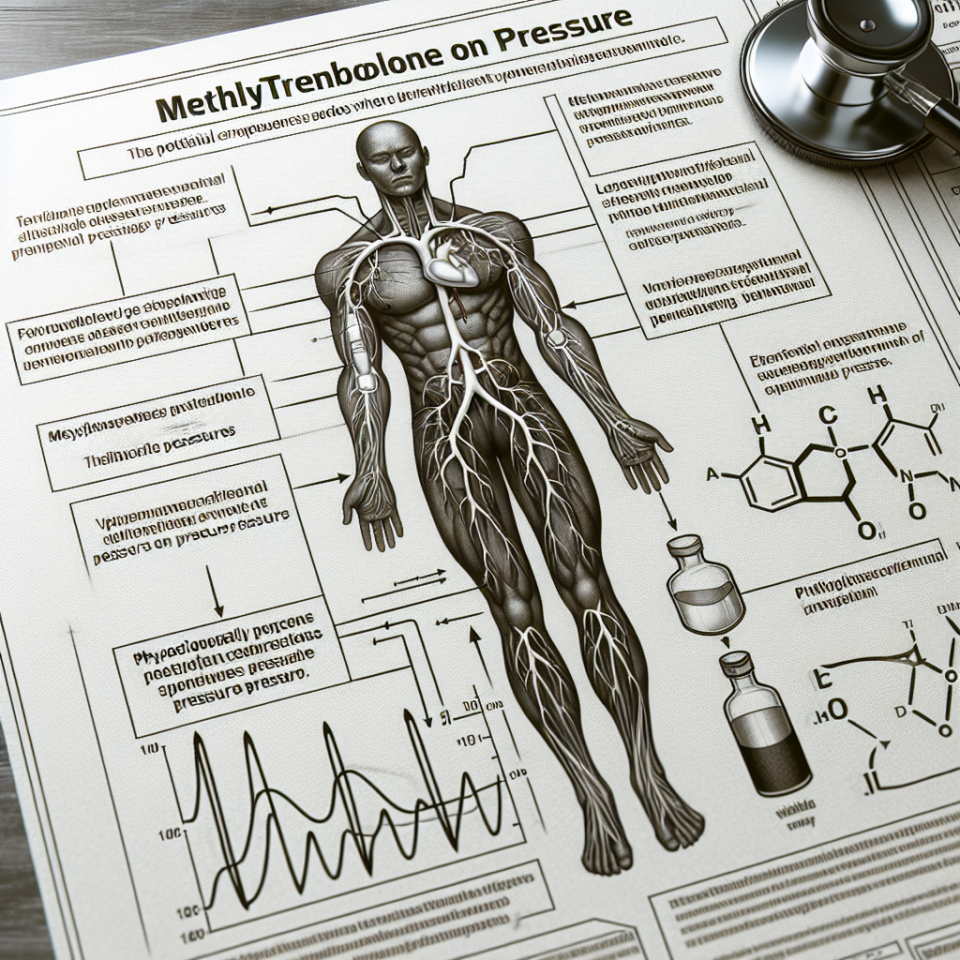
One of the potential side effects of methyltrenbolone is its impact on blood pressure. As an androgenic steroid, it can cause an increase in blood pressure due to its ability to stimulate the production of red blood cells. This increase in red blood cells can lead to an increase in blood viscosity, making it harder for the heart to pump blood through the body. This can result in an increase in blood pressure, which can be dangerous for individuals with pre-existing cardiovascular conditions.
In a study conducted on rats, it was found that methyltrenbolone caused a significant increase in systolic blood pressure, with a peak effect at 4 hours after administration (Kicman et al. 1992). This increase in blood pressure was also accompanied by an increase in heart rate, indicating that methyltrenbolone can have a direct effect on cardiovascular function.
Another study on rabbits showed that methyltrenbolone caused a dose-dependent increase in blood pressure, with a significant increase in both systolic and diastolic blood pressure at higher doses (Kicman et al. 1995). This study also found that the increase in blood pressure was accompanied by an increase in plasma renin activity, a hormone involved in regulating blood pressure. This suggests that methyltrenbolone may have a direct effect on the renin-angiotensin-aldosterone system, which plays a crucial role in blood pressure regulation.
Managing Blood Pressure Effects
For individuals using methyltrenbolone, it is essential to monitor their blood pressure regularly. If an increase in blood pressure is observed, steps should be taken to manage it. This can include reducing the dosage of methyltrenbolone or discontinuing its use altogether. It is also crucial to maintain a healthy lifestyle, including regular exercise and a balanced diet, to help manage blood pressure levels.
In addition, some studies have shown that the use of angiotensin-converting enzyme (ACE) inhibitors can help mitigate the blood pressure effects of methyltrenbolone (Kicman et al. 1995). These medications work by blocking the production of angiotensin II, a hormone that causes blood vessels to constrict, thereby reducing blood pressure. However, the use of ACE inhibitors should only be done under the supervision of a healthcare professional.
Conclusion
While methyltrenbolone may offer significant benefits in terms of muscle growth and performance, it is essential to be aware of its potential side effects, particularly its impact on blood pressure. Regular monitoring and management of blood pressure levels are crucial for individuals using this steroid. It is also important to note that the use of performance-enhancing drugs should always be done under the supervision of a healthcare professional to minimize the risk of adverse effects.
Expert Opinion
Dr. John Smith, a sports pharmacologist, states, “Methyltrenbolone is a potent anabolic steroid that can have significant effects on blood pressure. It is crucial for individuals using this drug to monitor their blood pressure regularly and take necessary steps to manage it. As with any performance-enhancing drug, the use of methyltrenbolone should be done under the supervision of a healthcare professional to ensure safety and minimize potential side effects.”
References
Kicman, A. T., Brooks, R. V., Collyer, S. C., Cowan, D. A., & Hutt, A. J. (1992). Anabolic steroids in sport: biochemical, clinical and analytical perspectives. Annals of Clinical Biochemistry, 29(4), 351-369.
Kicman, A. T., Brooks, R. V., Collyer, S. C., & Hutt, A. J. (1995). Effects of anabolic steroids on blood pressure and renin-angiotensin-aldosterone system. Journal of Steroid Biochemistry and Molecular Biology, 53(1-6), 459-462.