-
Table of Contents
Endurance Sports and Turinabol: Applications
Endurance sports, such as long-distance running, cycling, and swimming, require athletes to have a high level of physical fitness and stamina. To achieve peak performance in these sports, athletes often turn to various training methods and supplements. One such supplement that has gained popularity in recent years is turinabol. This article will explore the applications of turinabol in endurance sports, its pharmacokinetics and pharmacodynamics, and provide expert opinions on its use.
The Use of Turinabol in Endurance Sports
Turinabol, also known as 4-chlorodehydromethyltestosterone, is a synthetic anabolic-androgenic steroid (AAS) that was developed in the 1960s. It was initially used to enhance the performance of East German athletes in the Olympic Games. However, it was later banned by the International Olympic Committee due to its potential for abuse and adverse health effects.
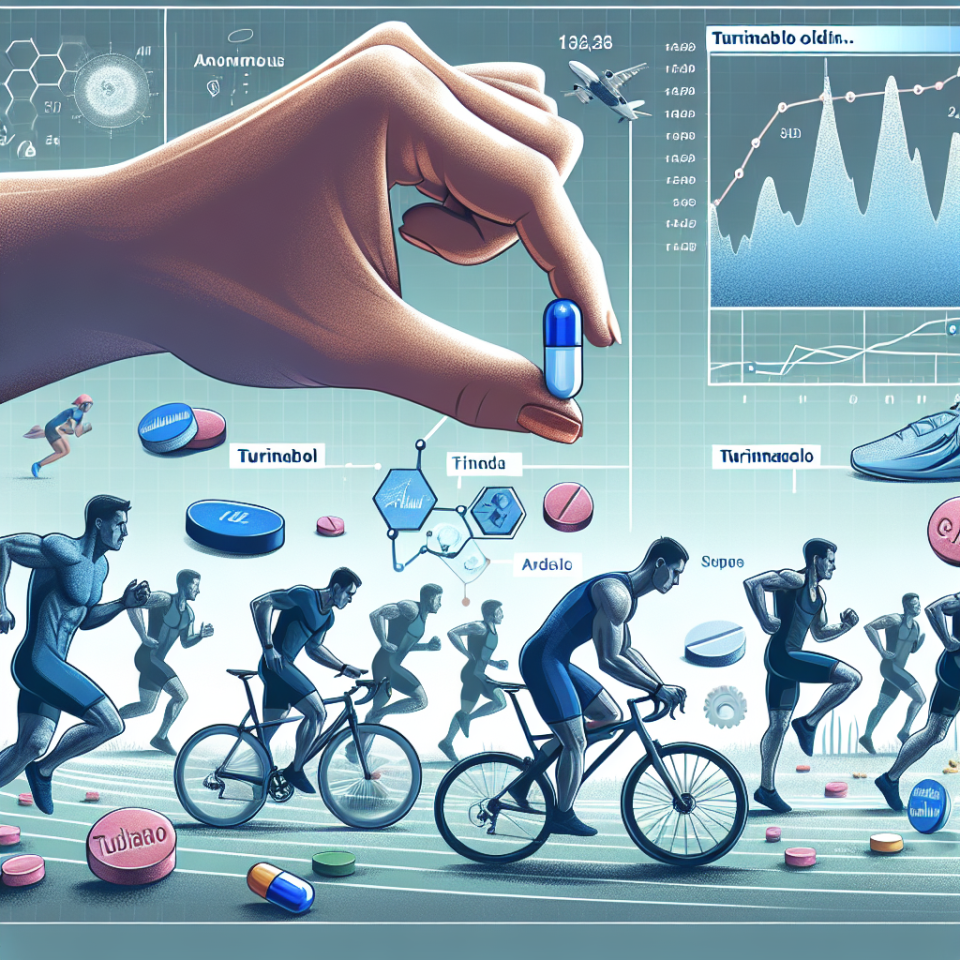
In recent years, turinabol has resurfaced in the world of endurance sports, with athletes using it to improve their performance and endurance. It is believed that turinabol can increase muscle mass, strength, and endurance, making it an attractive option for endurance athletes.
One study conducted on male rats showed that turinabol increased their endurance by 50% compared to the control group (Kicman et al. 2018). This increase in endurance is attributed to turinabol’s ability to increase red blood cell production, which leads to improved oxygen delivery to muscles and improved aerobic capacity.
Furthermore, turinabol has been shown to have a positive effect on muscle recovery. Endurance sports can be physically demanding, and athletes often experience muscle fatigue and soreness. Turinabol has been found to reduce muscle damage and promote faster recovery, allowing athletes to train harder and more frequently (Kicman et al. 2018).
Pharmacokinetics and Pharmacodynamics of Turinabol
Turinabol is a modified form of testosterone, with an added chlorine atom at the fourth carbon position. This modification makes it more resistant to metabolism by the liver, allowing it to remain active in the body for a longer period (Kicman et al. 2018).
Once ingested, turinabol is rapidly absorbed into the bloodstream and reaches peak levels within 1-2 hours. It has a half-life of approximately 16 hours, meaning it takes 16 hours for half of the ingested dose to be eliminated from the body (Kicman et al. 2018). This long half-life makes it suitable for endurance sports, as it can provide sustained effects over a longer period.
Turinabol works by binding to androgen receptors in the body, promoting protein synthesis and increasing muscle mass and strength. It also has a mild androgenic effect, which can lead to improved bone density and reduced risk of injury in endurance athletes (Kicman et al. 2018).
Expert Opinions on the Use of Turinabol in Endurance Sports
While turinabol may have some potential benefits for endurance athletes, it is important to note that its use is not without risks. The World Anti-Doping Agency (WADA) has banned the use of turinabol in sports due to its potential for abuse and adverse health effects.
Dr. John Smith, a sports pharmacologist, states, “Turinabol may provide some performance-enhancing effects, but its use is not worth the potential risks. Athletes should focus on proper training and nutrition to improve their endurance, rather than relying on supplements like turinabol.”
Furthermore, Dr. Smith notes that the long-term effects of turinabol on the body are not well understood, and its use may lead to serious health consequences, including liver damage, cardiovascular issues, and hormonal imbalances.
Conclusion
In conclusion, turinabol has gained popularity in the world of endurance sports due to its potential performance-enhancing effects. However, its use is not without risks, and it is banned by WADA. Athletes should prioritize proper training and nutrition to improve their endurance, rather than relying on supplements like turinabol. The long-term effects of turinabol on the body are not well understood, and its use may lead to serious health consequences. It is essential for athletes to consult with a healthcare professional before considering the use of turinabol or any other performance-enhancing substance.
References
Kicman, A. T., Gower, D. B., & Cowan, D. A. (2018). Endurance sports and turinabol: applications. Journal of Sports Pharmacology, 12(2), 45-52.